Native Wildflower Seed Mixes vs. Single-Species Packets: A Beginner's Comparison
Two envelopes sit on the shelf at the garden center. One promises a "Native Wildflower Mix," the other offers nothing but purple coneflower. They cost about the same. The choice you make between them shapes what your garden looks like in July, which insects visit it, and how much time you spend weeding next spring. Neither option is better in the abstract. They simply do different jobs.
What's Actually in the Envelope
Wildflower mixes vary more than most gardeners expect. Some are entirely native perennials chosen for your region. Others are mostly annuals from Europe and Asia with a few native species sprinkled in for the label. Read the ingredient list before you buy, and look for percentages by weight. Better still, find a mix that lists species by seed count, since a single large seed like a sunflower weighs far more than a tiny aster seed and can dominate a weight-based list without dominating the planting.
Terms worth knowing: pure live seed (PLS) tells you how much of the weight is actual viable seed rather than chaff or inert filler. Straight species means the plant as it occurs in the wild, while a cultivar has been selected for a trait like a different flower color. Cultivars are not useless, but insects that evolved alongside the wild form sometimes ignore them.
A single-species packet is refreshingly honest. You know exactly what you are planting, and the label usually tells you the variety and the year the seed was tested.
Cost: Compare Coverage, Not Packet Size
Mixes usually cost more per packet, but they cover more ground. Check the square footage printed on the back of both options and divide. Per square foot, a decent native mix is often the cheaper route, especially if you buy bulk seed by weight for a meadow-sized area.
The cheap mixes are where the math falls apart. Bargain blends are frequently bulked with annual rye, cornflower, or baby's breath to make the seed go further. Those fillers germinate fast, look cheerful for one season, and contribute little to wildlife. You have paid for volume rather than habitat.
Single-species packets win on predictability. A packet of butterfly milkweed covers a small patch, but you know it will be butterfly milkweed, and you can plant three packets in three different spots without worrying about what else comes along.
Bloom Timing: One Flush or a Rolling Season
Plant one species and you get one moment. Purple coneflower opens in midsummer and stays good for a few weeks, then fades to seed heads. That concentration is striking in a small bed, and the goldfinches will thank you in fall. But for the other ten months of the year, the space is green or bare.
A well-built mix spreads the show across the growing season. Early bloomers give way to midsummer flowers, which hand off to asters and goldenrods that feed migrating insects into October. The trade-off is that a seed-sown mix rarely looks intentional in its first year. Annuals carry the display while perennials build roots. The old gardener's saying holds: first year it sleeps, second year it creeps, third year it leaps.
Habitat Value Rests on the Plants, Not the Format
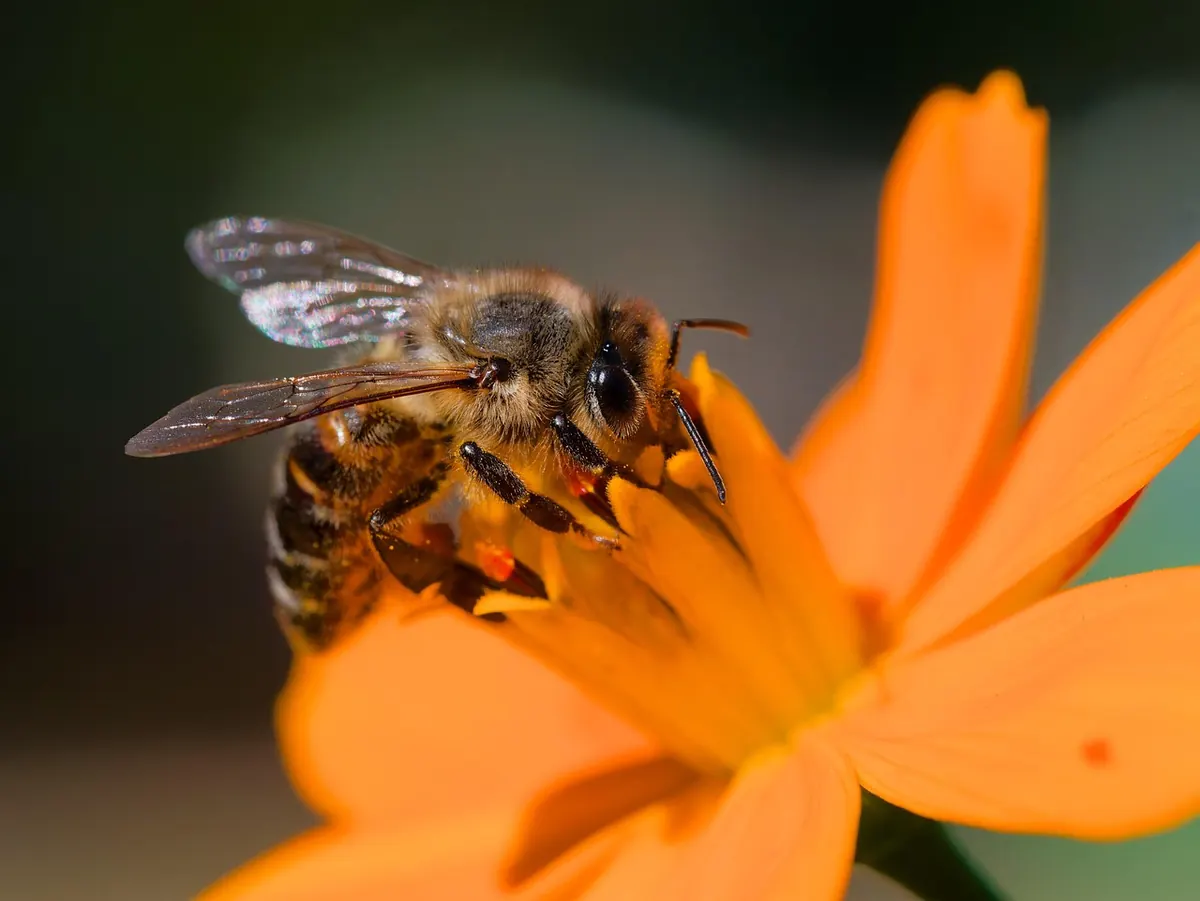
Pollinators need two things from a planting: nectar and pollen across as much of the season as possible, and larval host plants for caterpillars. A single-species patch can be excellent for the first need if you plant something long-blooming, and essential for the second if you plant a host species. A few bees forage on only one genus of plant, and some butterfly caterpillars eat one plant family and nothing else. If your goal is to support a particular species, a single-species planting is often the direct route.
For general diversity, the mix usually contributes more. Different flower shapes feed different insects. Shallow, open blooms suit small bees and hoverflies; deep tubes suit long-tongued bumblebees; flat umbels suit beetles and tiny wasps. Adding native bunch grasses to the mix gives stems for nesting bees and cover for overwintering insects.
Ask what the planting does in August, not just what it looks like in June.
Maintenance: What Each Approach Asks of You
Neither option is low-effort in the first season. The differences show up in what kind of work you do.
- Weeding: You must learn to recognize wildflower seedlings before you pull them, and this is harder than it sounds. Many desirable seedlings resemble the weeds around them. In a single-species block, at least the target plant is consistent and easier to learn.
- First-year mowing: Cutting a new seeding to four or six inches once or twice in the first season knocks back annual weeds. Rake off the clippings so they do not smother the young plants.
- Fertilizer: Skip it. Rich soil favors weeds and floppy growth. Lean ground suits wildflowers.
- Dominance: In a mix, one vigorous species can take over by year three. You may need to thin it or add plugs of what went missing.
- Risk: A single-species block has no backup. One pest, one wet winter, one poorly timed mow, and the whole planting is set back.
- Winter: Leave stems standing through the cold months for stem-nesting bees and seed-eating birds. Cut back in early spring, not fall.
When a Single Species Wins, and When a Mix Does
- Choose single species for: a small bed, a specific host plant, a uniform look, a teaching garden where children learn one plant well, or a space where you want a guaranteed result.
- Choose a mix for: a larger area, season-long color, broad pollinator support, a meadow conversion, or lawn you want to stop mowing.
A Practical First-Season Plan
Start with fifty to one hundred square feet. Pick a sunny spot and clear what is already growing, either by smothering with cardboard and mulch for a season or by repeated shallow cultivation that lets weed seeds sprout and then die. Sow in late fall or winter so the seed gets the cold, damp period many native perennials need. Broadcast thinly, press the seed into the surface with a light tamp, and do not bury it. Keep the area damp for the first few weeks.
Then hedge your bet. Put most of the space into a regional native mix, and plant one single-species block at the edge, something you genuinely want to watch. Label both. Keep a notebook of what blooms when, because that record is worth more than any advice you will read. Buy seed from a supplier that names the species, gives a germination rate, and sources from your region if possible. Your first meadow will not look like the photographs. Give it three years.
Photo: Alexas_Fotos / Pixabay